
How Deep Tissue Massage Can Help Relieve Everyday Muscle Tension
Whether you spend hours at a desk, drive for a living or work out with a “no pain, no gain” mentality, muscle tension can build gradually, often without you realising it. From poor posture and repetitive movements to stress and a chaotic routine, you may find yourself feeling tight, tired and uncomfortable. I’m Rayven, a massage therapist, and this guide will look at where tension comes from and how deep tissue massage might help.
A Closer Look at Deep Tissue Massage
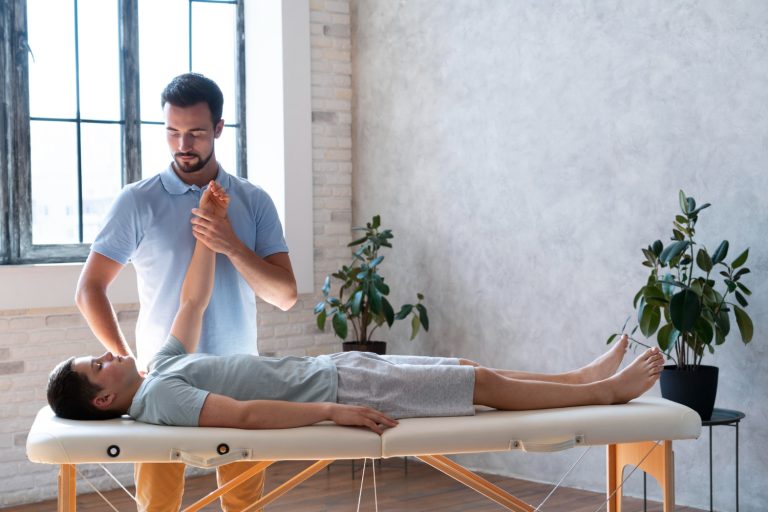
There are various massage techniques to draw from, and deep tissue involves targeted pressure to work on muscle tension and deeper layers of soft tissue. Relaxation massage is focused on a calm, soothing experience and deep tissue massage is focused on specific areas of tightness.
However, “deep” doesn’t simply mean as much pressure as possible. I take a considered approach to deep tissue massage, factoring in your individual needs, specific areas of concern and how you respond throughout the treatment. I will adjust the pressure and techniques throughout based on your feedback and response.
Why Do We Experience Everyday Muscle Tension?
There are many reasons for muscle tension; some related to daily routines and others from posture or physical activity.
Sitting For Long Hours
Sitting in the same position for long periods can have an impact on your neck, shoulders, and upper and lower back. So, if you drive for hours at a time or perch at a computer, you may notice tightness or fatigue in those areas.
Exercise and Physical Activity
Exercise is an important part of many people’s wellbeing routines. However, demanding or repetitive physical activities can leave you with tight, tired muscles. Whether you’re a cycling enthusiast, an avid swimmer, play footie every weekend, or prefer cardio, a targeted massage may be useful as part of your broader recovery routine.
Repetitive Movements
Repeating the same movements can place additional demands on particular muscle groups. If you use the same muscle group over and over, you may start to notice tension.
Everyday Stress
Stress can impact how you hold yourself. You may grind your teeth in your sleep or tense your jaw and shoulders when you’re focused. By combining massage, rest, and relaxation alongside regular movement, you may feel the benefit.
How Deep Tissue Massage May Help With Muscle Tension
Many people choose deep tissue massage so the massage therapist can focus on a specific area (or areas) rather than applying a broad-stroke treatment across your entire body.
Targeting Tight and Overworked Muscles
If you’re looking to relax, then a traditional relaxation massage may sound like the dream. Just because a deep tissue massage uses firmer pressure doesn’t mean it doesn’t deliver on the relaxation front. Many clients tell me they feel more relaxed after receiving focused attention on areas of muscular tension.
Supporting Comfortable Movement
Muscle tightness can make everyday movement feel uncomfortable, and massage may help relax areas of muscular tension and support more comfortable movement. When treatment is tailored to your needs, it can focus attention where you need it.
Helping You Relax
If you’re looking to relax, then a traditional relaxation massage may sound like the dream. Just because a deep tissue massage uses firmer pressure doesn’t mean it doesn’t deliver on the relaxation front. Directly addressing areas of muscular tension leaves many clients feeling more relaxed.
Supporting Your Recovery Routine
If you’re an active person and want to adopt healthier recovery habits, massage can complement stretching, rest, and hydration. However, it can’t replace medical care. If you have an injury or a medical condition, you should speak to a doctor before you book in for a massage.
Deep Tissue Massage vs Remedial Massage
Clients often ask what the difference between deep tissue and remedial massage is. The key is to understand that deep tissue is a massage technique, which means I apply firmer pressure. Remedial massage is an approach. When it’s appropriate, it can include deep tissue work. Ultimately, it’s led by assessment and shaped by your goals.
In other words, “deep tissue” tells you how firm the pressure is, while “remedial” tells you how considered the approach is. You can read more on my remedial massage page.
Who Might Consider Deep Tissue Massage?
Deep tissue massage may be suitable for a range of people looking for more targeted massage treatment. It may be right for you if:
- You sit at a desk for long periods
- Your muscles are regularly tight or overworked
- You exercise regularly or participate in sports
- Your job is physically demanding
- You spend a lot of time behind the wheel
- You notice building tension in your shoulders or back
- You’re looking for a more targeted massage experience
- You want to include massage as a part of your regular wellbeing routine
I encourage clients to discuss their concerns before treatment because your needs are individual.
Book a Deep Tissue Massage in Castle Hill
I’m Rayven, but you can call me Ray. I’ve been working in the industry since 2008 when I earned my Diploma of Remedial Massage. At Rays Healing Touch in Castle Hill, I tailor every session to the client in front of me. I draw on a variety of techniques, from trigger-point to connective tissue work or myofascial release.